

Pre-wetting has long been standard practice in MgCl₂ dust control programs, and for good reason: dry roadway surfaces resist product penetration, so wetting the surface first has helped product perform. But that extra step also carries a real operational cost. Here's the operational math behind that cost, and how EnviroTech's Water Saver line reduces it.
The Operational Cost of the Pre-Wetting Cycle
Pre-wetting before MgCl₂ application adds a full additional cycle of:
- Water volume (a second full truck load per mile treated)
- Truck cycle time (loading, transit, application, refill)
- Labor hours tied to that cycle
- Fuel burn and engine hours on the water truck
- Wear on pumps, valves, and spray systems from added runtime
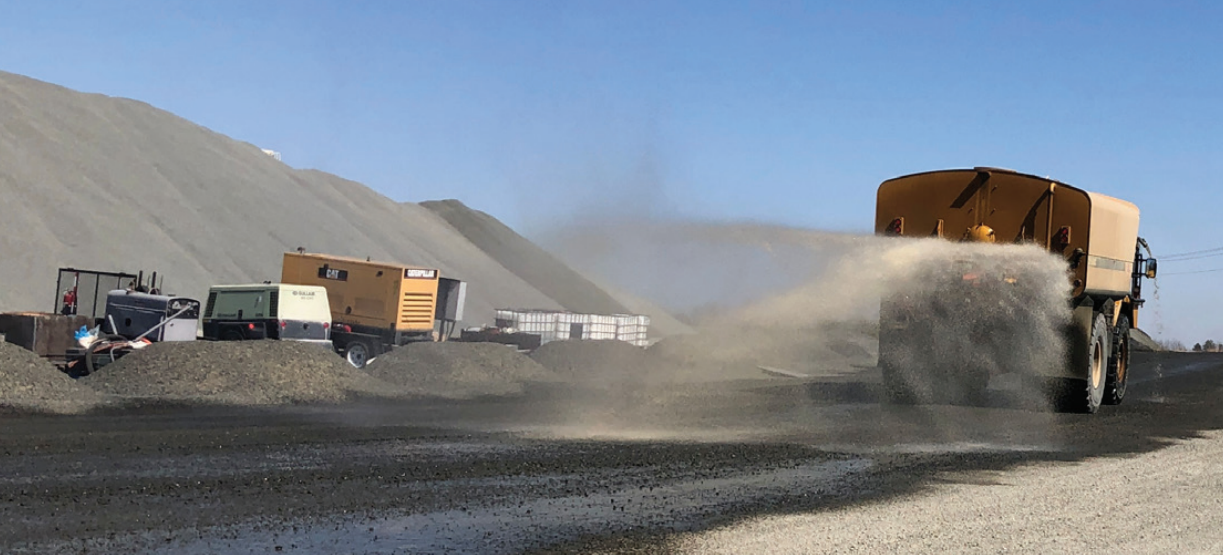
On operations where water trucks are already stretched thin, that added cycle can become the rate-limiting step in the whole process. Fleet throughput (miles treated/day) ends up capped by how many pre-wetting cycles the water truck can run, rather than by how fast MgCl₂ can be applied.
The Mechanism: Improving Penetration Rate
Water Saver is formulated to increase the rate at which MgCl₂ penetrates a dry road surface. Faster penetration means:
- Less surface pooling (product moves into the surface instead of sitting on top of it)
- Less runoff loss (pooled product is product that can migrate off the treated section)
- Shorter time-to-cure before the road can carry traffic again

Because product penetrates dry surfaces more effectively, the volume of pre-wetting needed to achieve good results drops, in many conditions significantly. That's the mechanism behind the water reduction: it's a direct result of improved penetration performance, not a workaround.
The Numbers That Move
Reducing pre-wetting volume changes several operational variables at once:
| Variable | Effect of reduced pre-wet volume |
|---|---|
| Water hauled per mile | Reduced |
| Truck cycle time | Shorter, fewer load/transit/refill loops |
| Miles treated per crew-day | Higher, trucks spend less time pre-wetting |
| Fuel consumption | Lower, less engine runtime per mile treated |
| Equipment wear | Lower, fewer pump/valve cycles |
| Time-to-traffic | Shorter, faster penetration, less standing water |
None of these are independent. Reduced water volume is the input; the downstream effects on labor, fuel, equipment life, and daily mileage are what actually move the cost curve.
Where This Matters Most
The efficiency gain scales with how water-truck-constrained an operation already is:
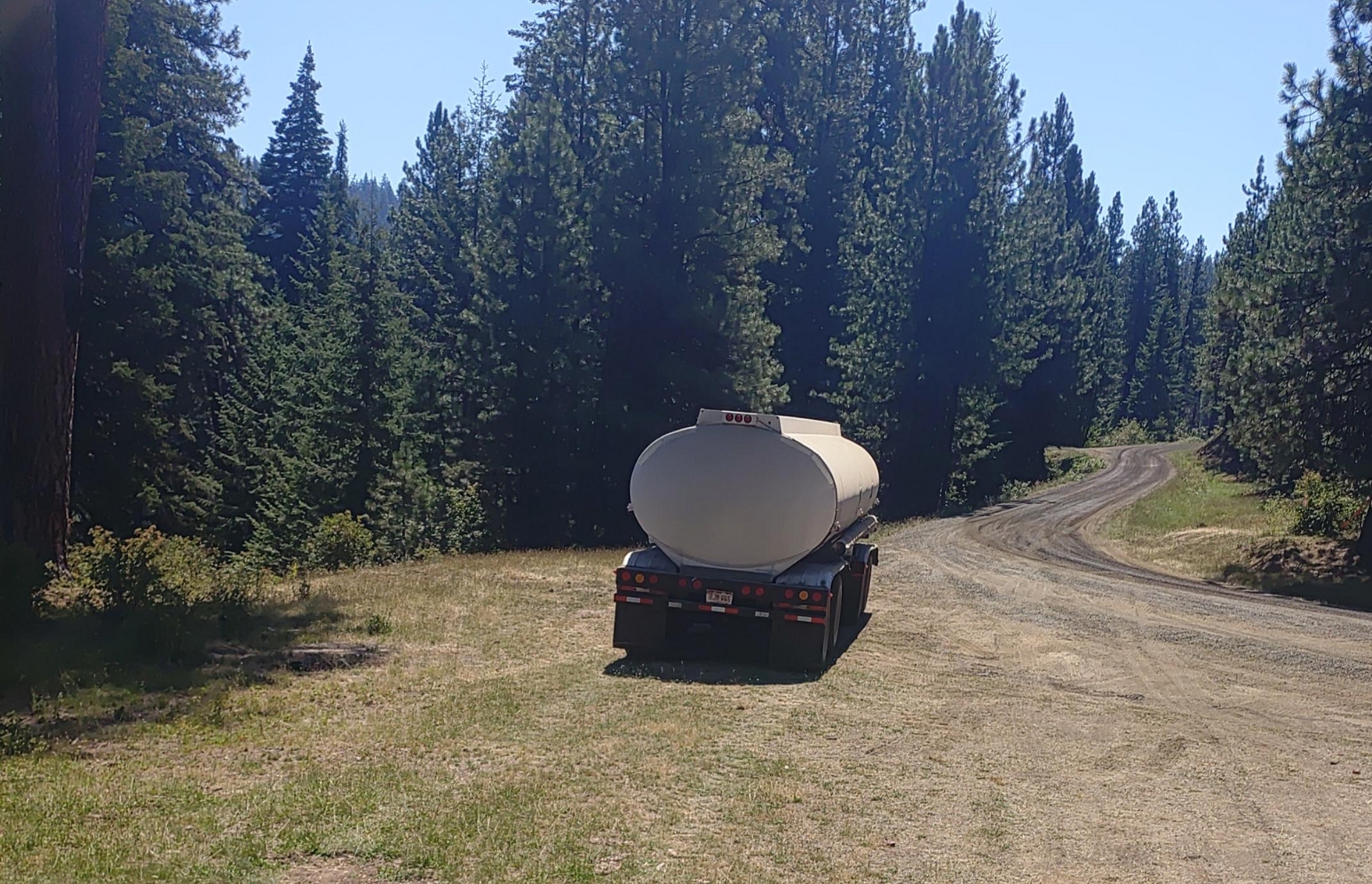
- Long haul distances to water sources. Every pre-wet cycle costs more transit time, so reducing volume compounds.
- Tight seasonal windows (e.g., dust control season, or between weather events). More miles/day per truck matters more when the window is short.
- Fleet-limited operations. If you have one water truck and multiple crews depending on it, reducing the pre-wet burden frees up more parallel work.
Sustainability as a Byproduct, Not a Separate Pitch
Because the reduction is upstream (less water hauled, less fuel burned, less equipment runtime), the sustainability benefit isn't a bolt-on claim. It's the same operational change viewed through a different lens. Lower water use and lower fuel/equipment runtime are the same numbers whether you're reporting to a budget line or an environmental goal.
Bottom Line
Pre-wetting works because it addresses a real penetration challenge on dry roadway surfaces. Water Saver addresses that same challenge more directly, by improving how well MgCl₂ penetrates the surface on its own. The result is a reduced need for pre-wetting volume, along with the labor, fuel, and equipment costs that scale with it, without giving up the roadway performance pre-wetting was designed to deliver. To Learn more download our brochure.
Brochure-Download


