
If you've ever tried to move bulk liquid or dry commodities across the country, you know the headache isn't usually the "moving" part. It's everything around it. Where does the railcar get loaded or unloaded? Who's got warehouse, tank or laydown space on short notice? What happens when your usual truck route hits a wall and you need a backup plan by Friday?
That's the problem EnviroTech Services is solving.
A Network Built for Flexibility, Not Just Scale
EnviroTech runs more than 40 terminal locations across 16 states, all connected to major rail lines, including Union Pacific, BNSF, CN, and Norfolk Southern. But the number that matters to shippers isn't the terminal count. It's what happens at those terminals.
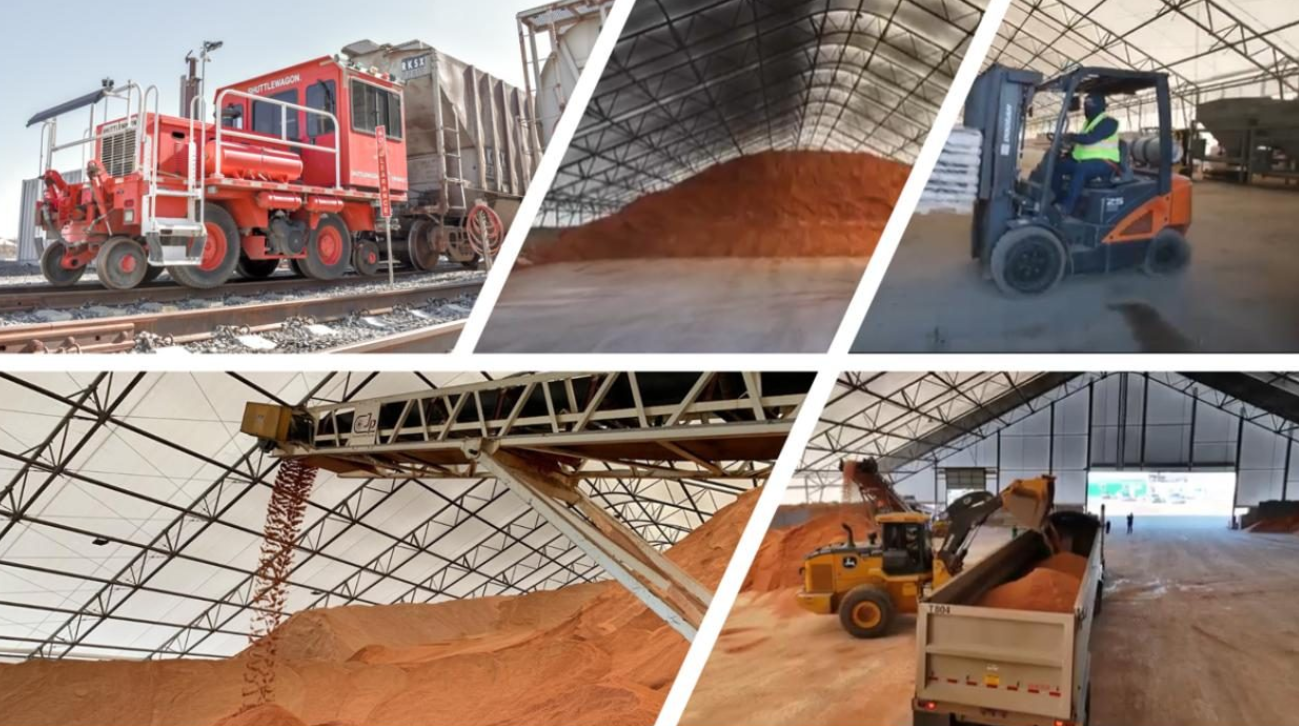
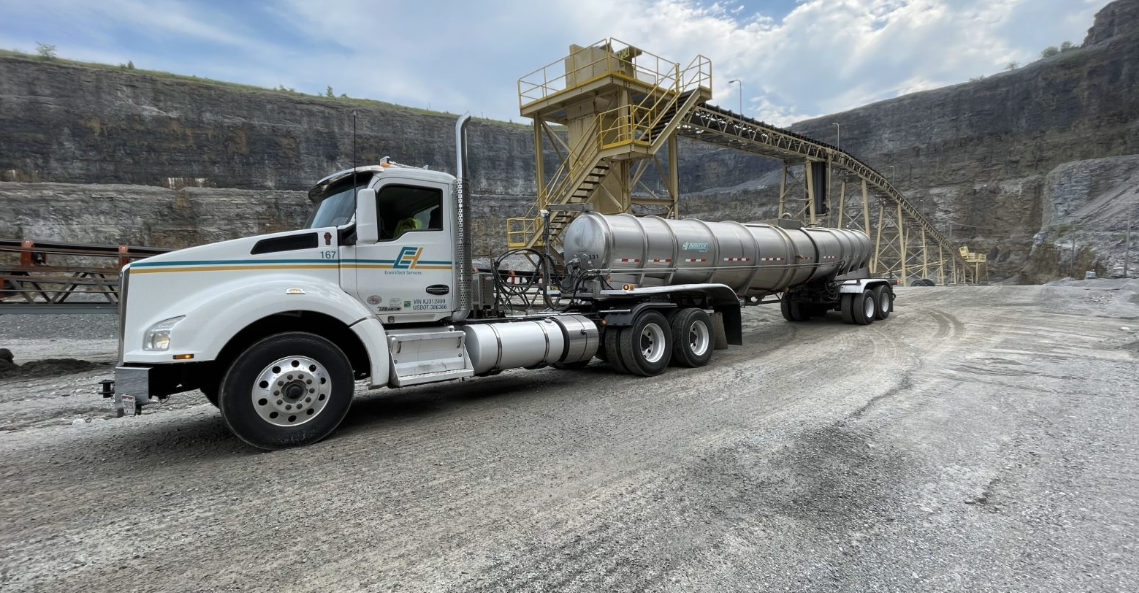
Every site is set up to handle rail-to-truck and truck-to-rail transloading for liquids, dry bulk, and granular materials. Beyond that, there's over 72,000 square feet of covered storage, vertical tank farms, lined ponds, and outdoor laydown yards, plus a private fleet of tankers and dry bulk equipment for first-mile pickup and last-mile delivery.
In other words: whether a shipment needs to come off a railcar and onto a truck, sit in storage for a few weeks, or move straight through to a customer, there's a facility built to handle it.
One Team, Not a Patchwork of Vendors
Here's where a lot of logistics setups fall apart: you end up coordinating a rail carrier, a trucking company, a storage provider, and a transload operator separately, hoping they all talk to each other. EnviroTech's model is different: rail, truck, storage, and distribution are coordinated by one operation, so there's a single point of accountability from the moment material arrives to the moment it ships out.
That matters most when things get complicated. A few examples of where the network really earns its keep:
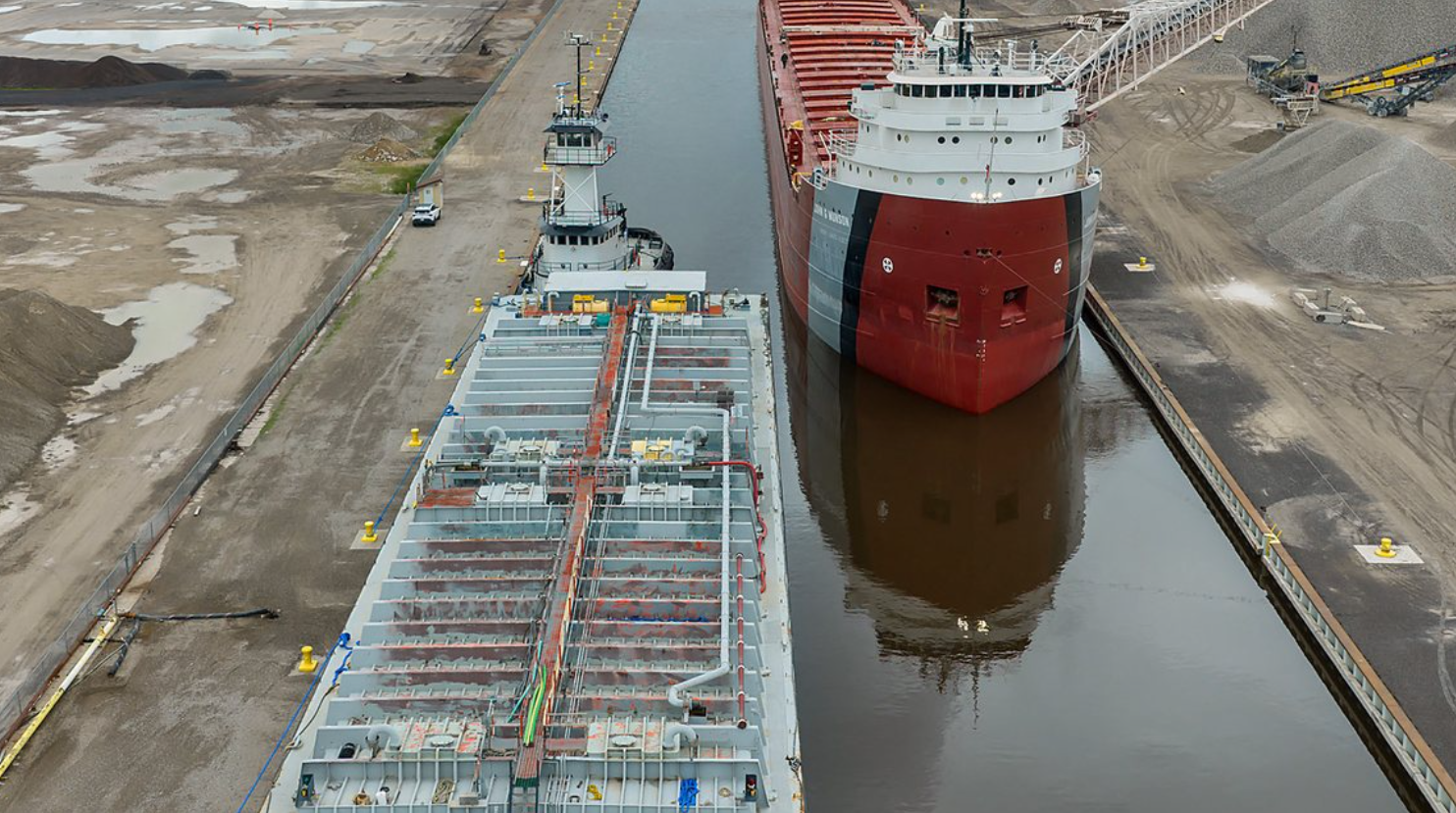
- Hallett Dock 8 in Superior, Wisconsin gives shippers deep-water access, linking Iron Range rail volume directly into Great Lakes trade lanes: rail, truck, and marine, all from one site.
- Cleveland Terminal combines rail and barge access on the Cuyahoga River for specialty industrial liquids and manufacturing oils.
- Across Colorado, EnviroTech’s network of 8 terminals connects businesses to strategic rail-served logistics solutions in key Front Range, Western Slope, mountain, and Southern Colorado markets. With flexible transloading capabilities for liquid and granular commodities, available storage and laydown space, and direct access to major rail and highway corridors, ETS helps customers lower transportation costs, reduce freight complexity, and improve supply chain reliability.
- The Pacific Northwest terminal network offers shippers a flexible, rail-served platform for moving liquid, bulk, and specialty commodities across key inland and coastal supply chain corridors. With strategic locations spanning Washington, Idaho, and Oregon, these terminals help customers reduce transportation complexity, improve speed to market, support sustainable freight strategies, and scale operations through transloading, storage, and greenfield development opportunities
Decades of Bulk Experience, Still Growing
EnviroTech has spent 35 years managing bulk liquid and dry commodities, and that experience shows up in the details: certified truck scales, hopper dump and conveyor systems, and material handling equipment designed for the realities of industrial-scale freight, not just the easy loads.
But the network hasn't stood still. Newer additions like the Post Falls, Idaho terminal represent greenfield capacity built for expansion, while sites like Randolph, Minnesota focus specifically on agricultural inputs and fertilizer, proof that growth is happening in the direction customers actually need, not just wherever it's convenient.
Custom Programs Over One-Size-Fits-All
Not every shipper needs the same thing, and EnviroTech doesn't pretend otherwise. Some customers need short-term project support: a single seasonal surge, a one-off transload. Others need a multi-year supply chain partnership complete with inventory management and reporting built around their specific commodity and volume.
Either way, the approach starts the same: understand what's actually moving, then build the solution around it, not the other way around.
The Bottom Line
Supply chains break down at the seams: the handoffs between modes, the gaps between vendors, the moments when storage runs out or a truck doesn't show. EnviroTech's whole model is built to close those seams. One team, one point of contact, and a rail-served network stretching from the Pacific Northwest to the Great Lakes.
If you've got a commodity that needs to move, sit, or transfer somewhere in that footprint, the team typically responds with available terminals and next steps within one business day, at no cost to shippers, and with no guesswork about who to call.
Ready to see what's available near you? Reach out through Commtrex and tell us what's moving.


