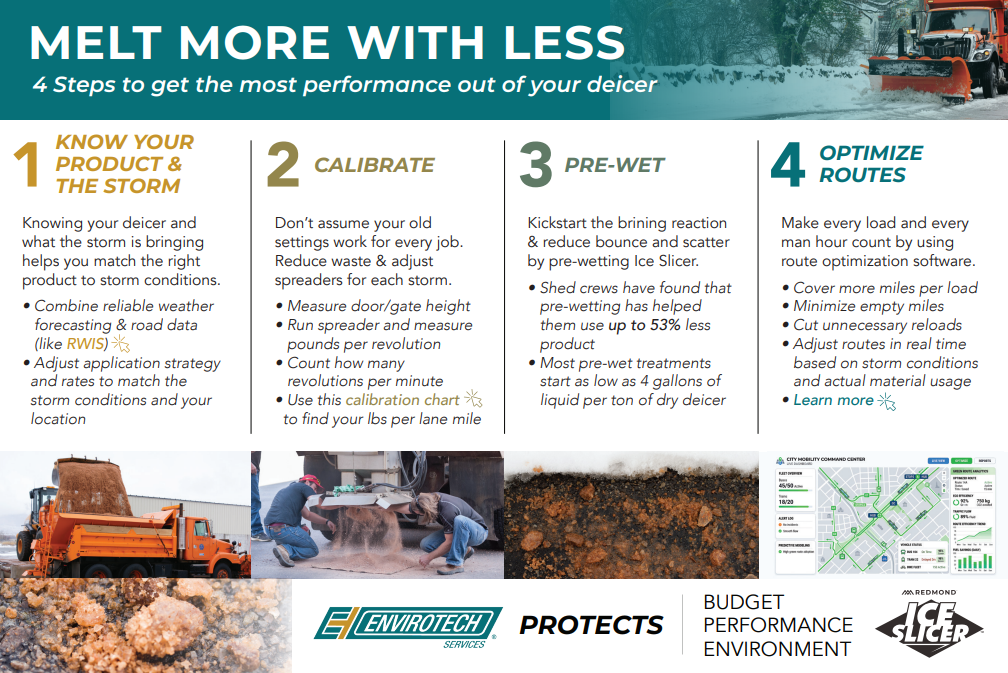
Four practical steps to get more performance from Ice Slicer, from reading the storm to optimizing your routes. A guide from EnviroTech Services and Redmond.

Four practical steps to get more performance from Ice Slicer, from reading the storm to optimizing your routes. A guide from EnviroTech Services and Redmond.
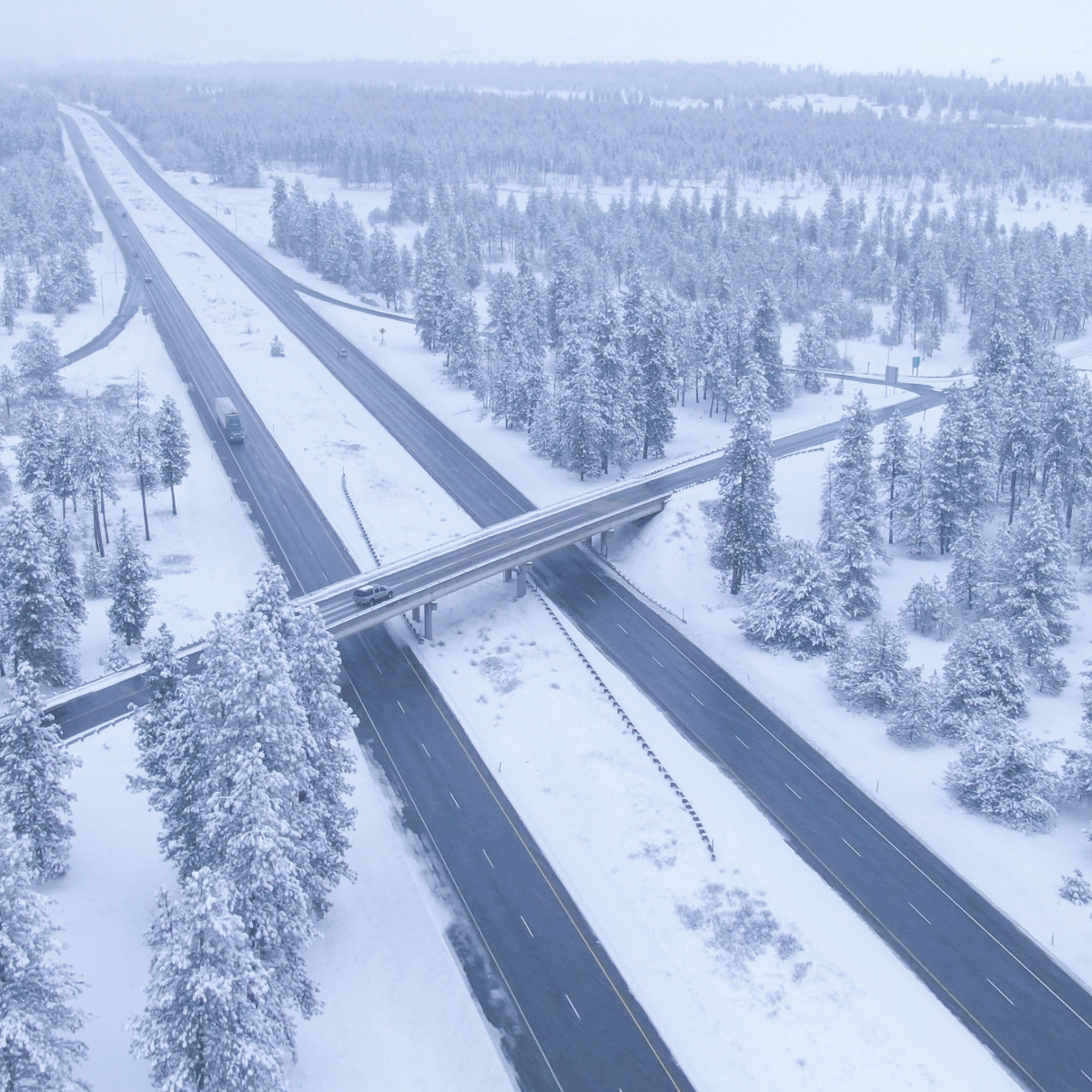
You know the spots. The shaded bridge deck, the steep grade, the intersection that glazes over before your trucks finish their first pass. These roads do not give your crew an easy day, and a single product rarely solves every problem they throw at you.
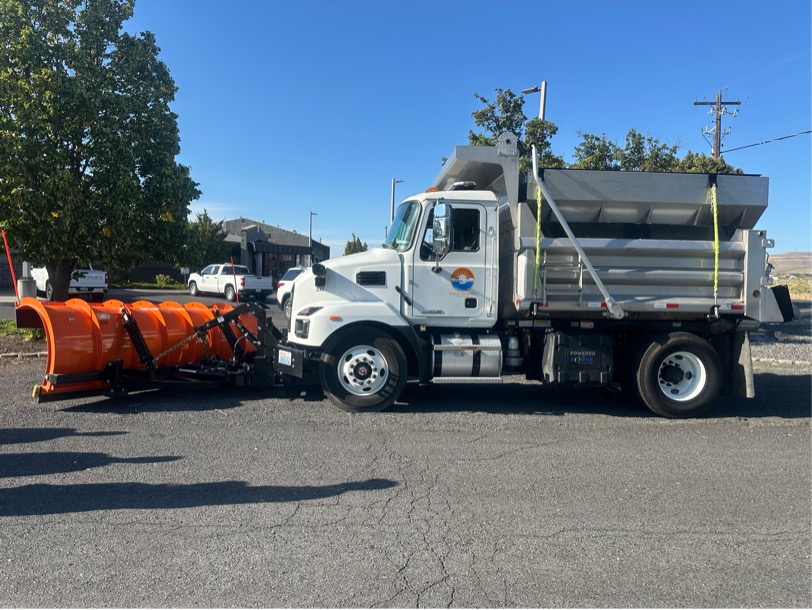
This week, our team spent time in the field with winter maintenance crews across Washington State, and the conversations were a great reminder of why "one size fits all" doesn't work when it comes to fighting winter.
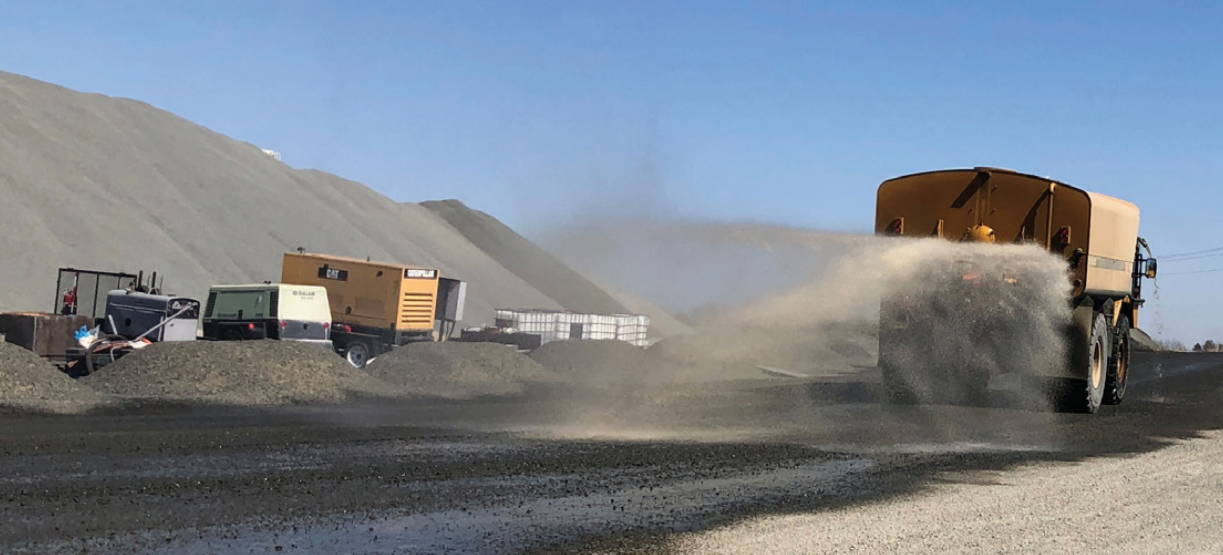
Pre-wetting has long been standard practice in MgCl₂ dust control programs, and for good reason: dry roadway surfaces resist product penetration, so wetting the surface first has helped product perform. But that extra step also carries a real operational cost. Here's the operational math behind that cost, and how EnviroTech's Water Saver line reduces it.
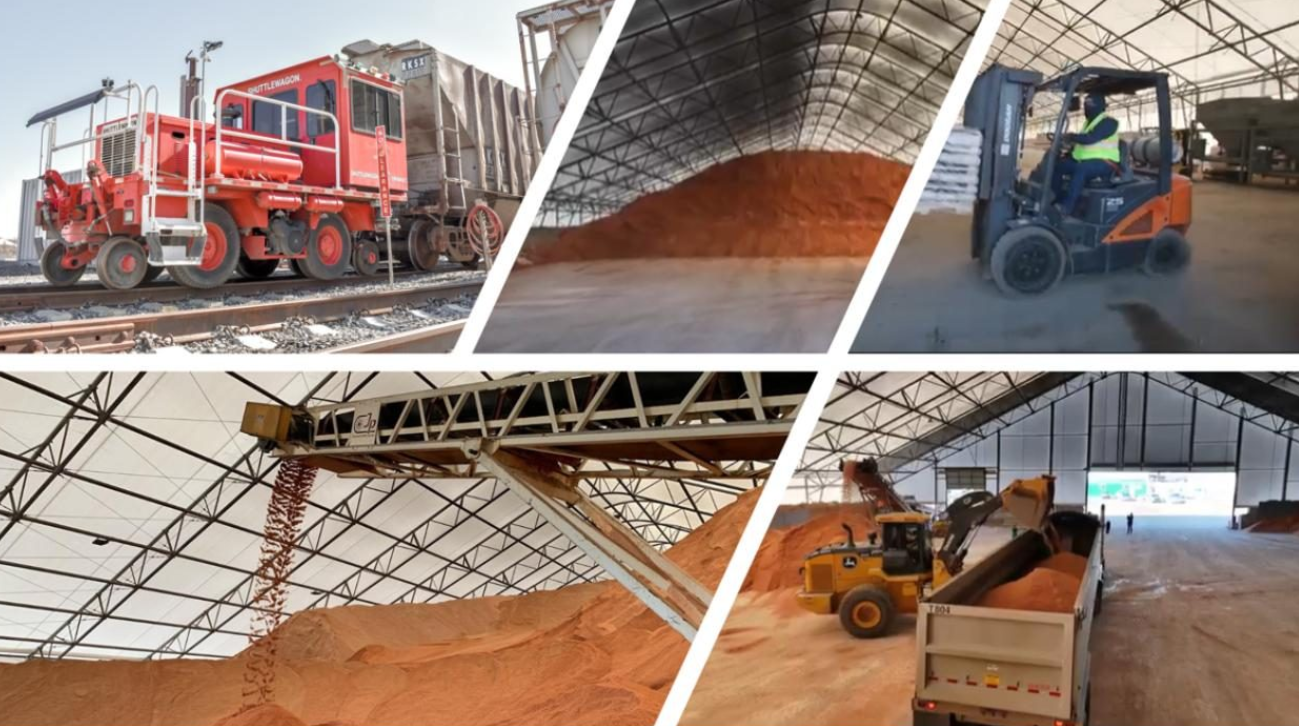
If you've ever tried to move bulk liquid or dry commodities across the country, you know the headache isn't usually the "moving" part. It's everything around it. Where does the railcar get loaded or unloaded? Who's got warehouse, tank or laydown space on short notice? What happens when your usual truck route hits a wall and you need a backup plan by Friday?
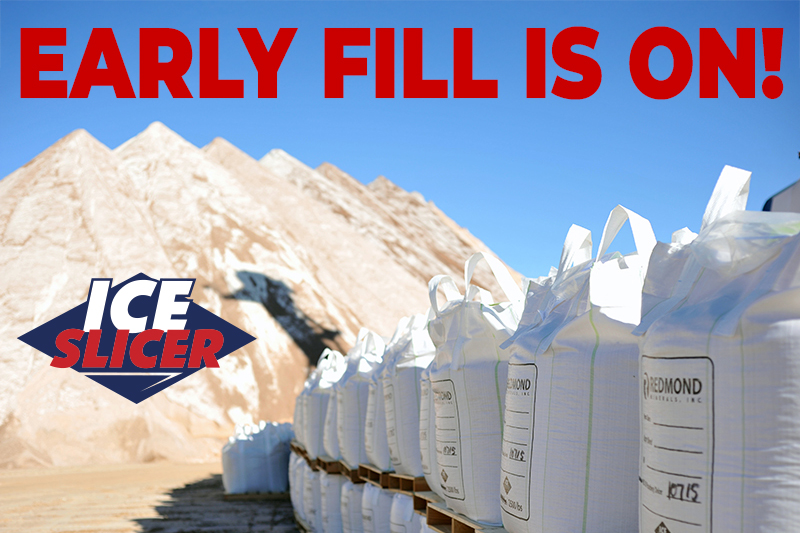
Winter has a way of arriving faster than agencies expect. The crews who fare best are the ones who stocked up before the first storm hit. Right now, Ice Slicer® early fill discounts are available, giving you the chance to fill your sheds at a lower cost and walk into the season with a stockpile you can count on.
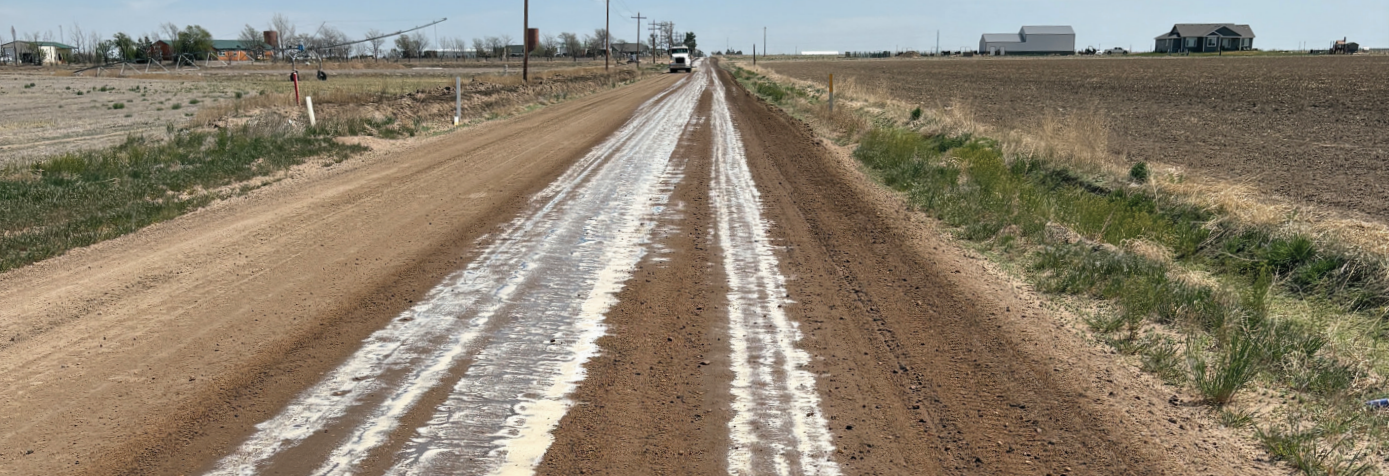
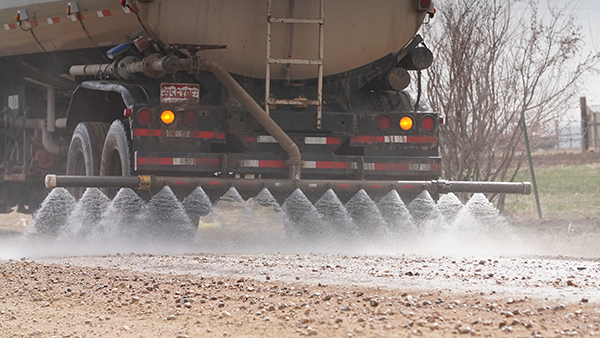
Many conventional dust control programs require roads to be pre-watered before MgCl₂ can be applied effectively. While this process has long been considered standard practice, it also increases water usage, extends treatment time, and creates additional demands on equipment and personnel.
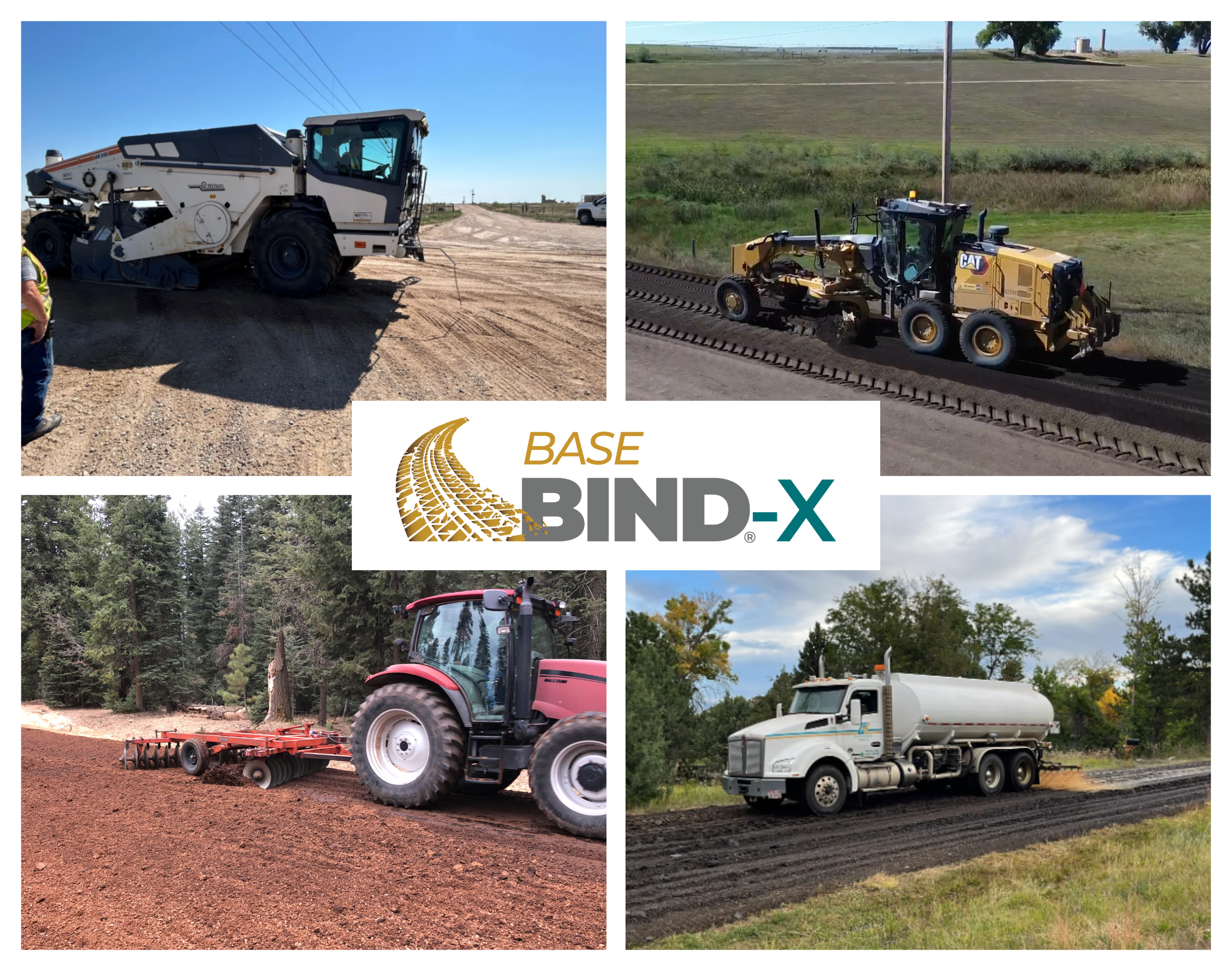
Across municipalities, mines, and industrial operations, a common theme is emerging this season: budgets are tightening. In many cases, dust control line items are being reduced or cut altogether.


 |
Copyright 2026. EnviroTech Services. All Rights Reserved. |